A quiet three-day
experience to embody
an enbu ritual passed down
for over 300 years.
Introduction
Across Japan,
the cultures of mountain worship and Shugendo
have been shaped through the relationship
between people and nature.
Movement Arts Myoko is not merely an initiative
to “learn about” this culture,
but to internalize it through the body.
To perform, to walk, and to pray.
By entrusting yourself to each movement,
you quietly face the time and sensibilities
etched into the land.
Centered on Myoko’s Kari-Yamabushi culture
rooted in mountain worship,
this is a rare and intimate experience,
quietly shared in a small group.
About
Kari-Yamabushi:
Those Who Carry Prayer Forward
Myoko, Niigata, was once a flourishing center of Shugendo.
However, they disappeared around 300 years ago.
Even so, the prayers never ceased.
Villagers took the place of the Yamabushi to support these sacred rites and festivals themselves and thus the “Kari-
Yamabushi” were born.
These people carried out prayer through their daily lives, rather than subjecting themselves to rigorous training.
This way of being remains extremely rare even within Japan, and continues to live on in this land today.
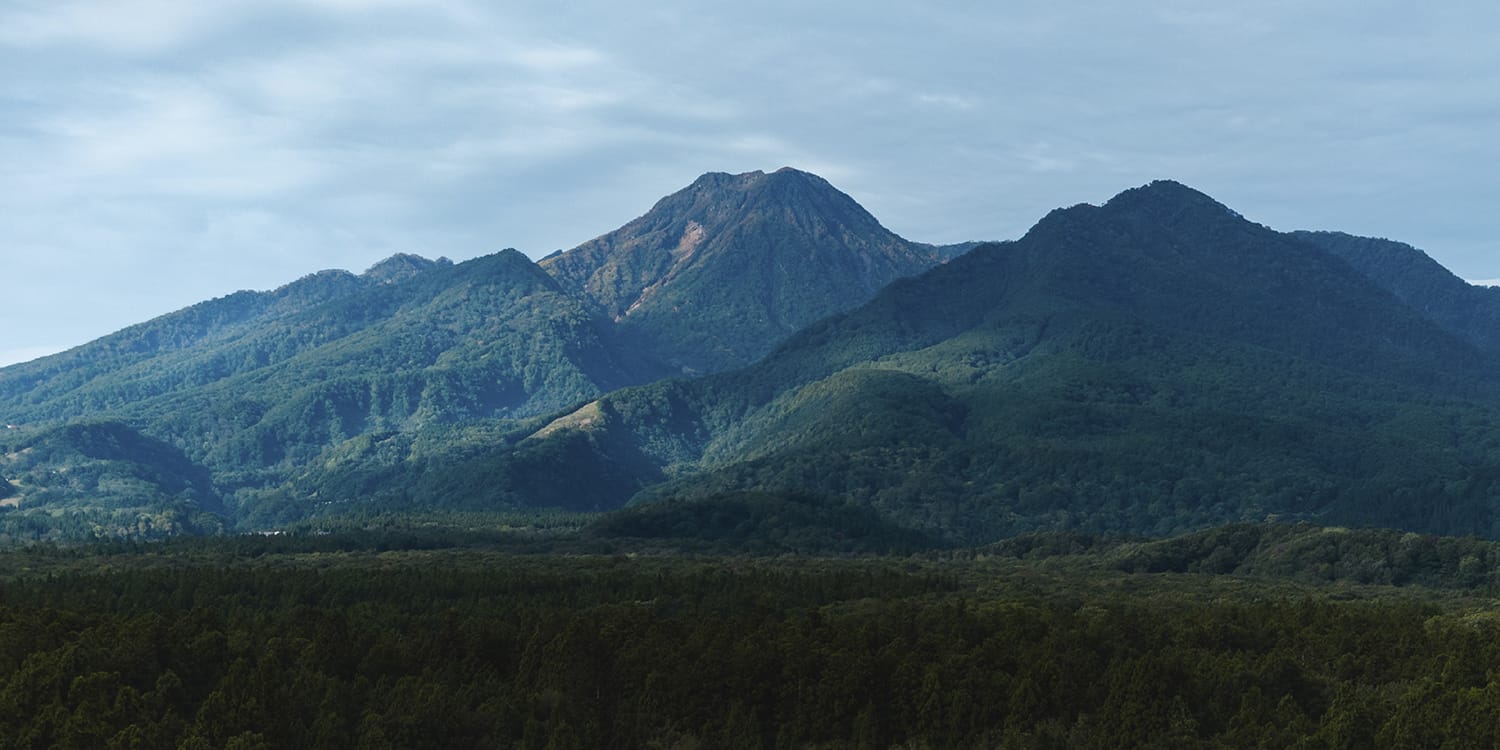
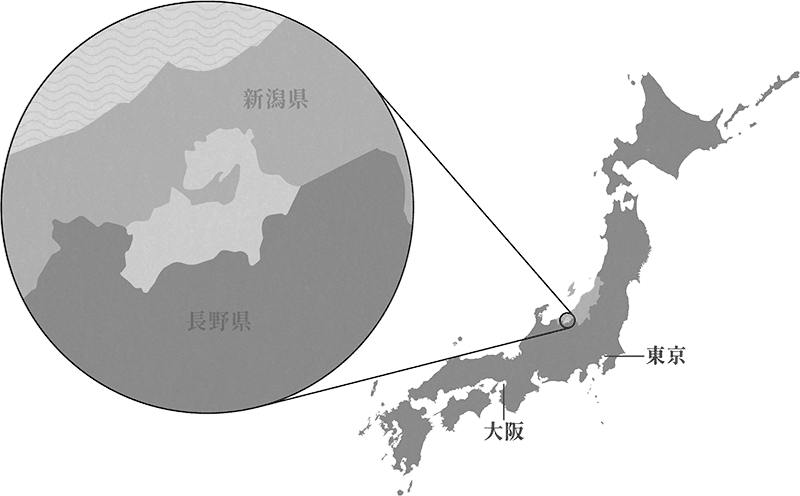
Myoko in Niigata is a mountainous area that sits at the prefectural border between Niigata and Nagano.
Covered in thick snow, it’s a snow resort that has gathered much attention both inside and outside the country.
Meanwhile, a way of life rooted in reverence for the mountains and sustained by prayer still quietly lives on here. Approximately 2.5 hours from Tokyo by Shinkansen and car.
For the Kari-Yamabushi,
prayer takes the form of demonstration.
Their prayers are expressed not through words, but through the movements of the
body.
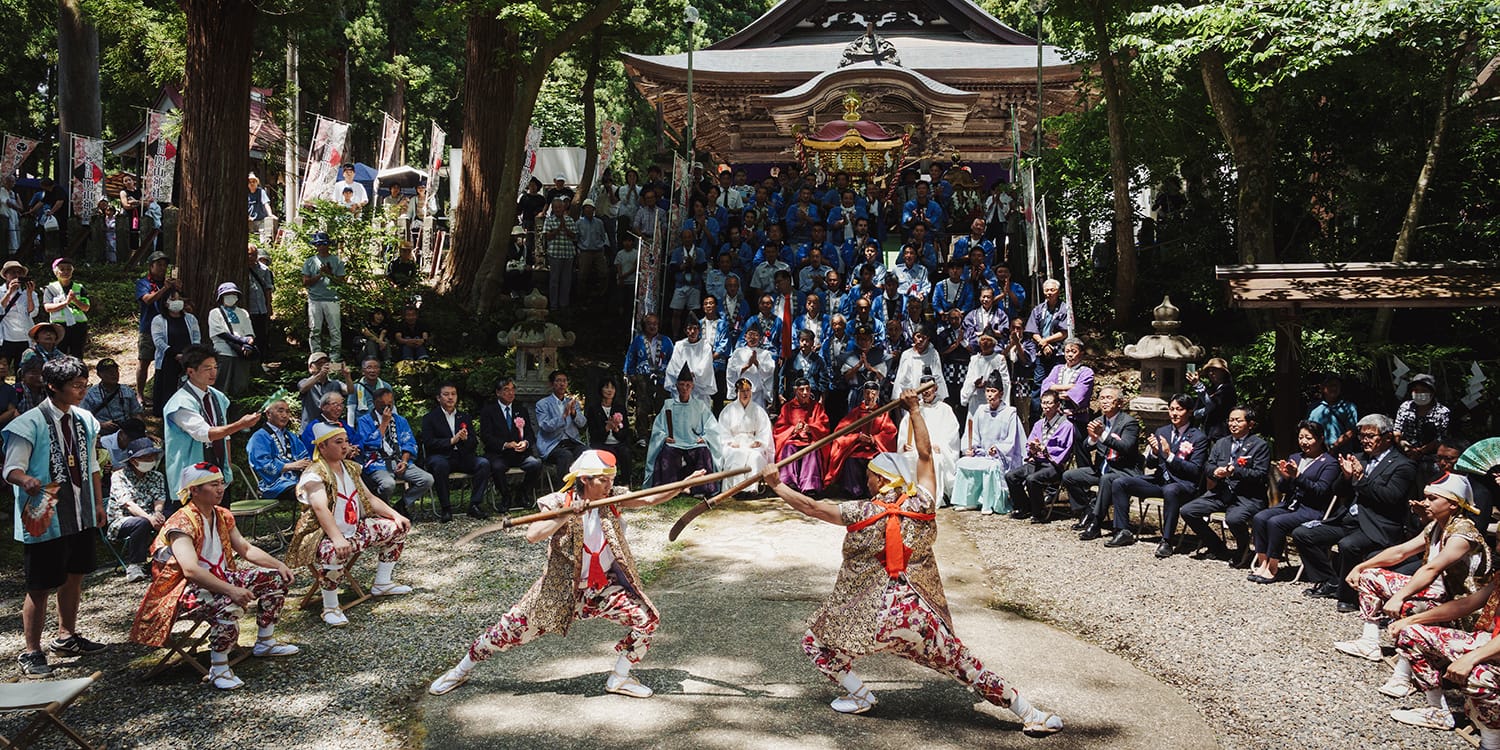
Botsukai, a baton-handling tradition dedicated to Sekiyama Shrine, has been preserved by a select group of
people for over 300 years.
Enbu are not performing arts meant for display.
They are an act meant to embody prayer within the body.
By entrusting the body to prescribed forms and sequences, prayer gradually takes shape within the body.
And now, that endeavor stands at a quiet crossroads.
Point
The Three Core
Experiences of This Tour
An enbu experience embodying prayer.
A journey immersed in the context of the land.
And dialogue with the people who sustain this culture.
Through these three experiences, this tour offers time to receive Japanese culture not as something to observe,
but through the body and senses.
-
01
Entrusting Yourself to Movements That Embody Prayer
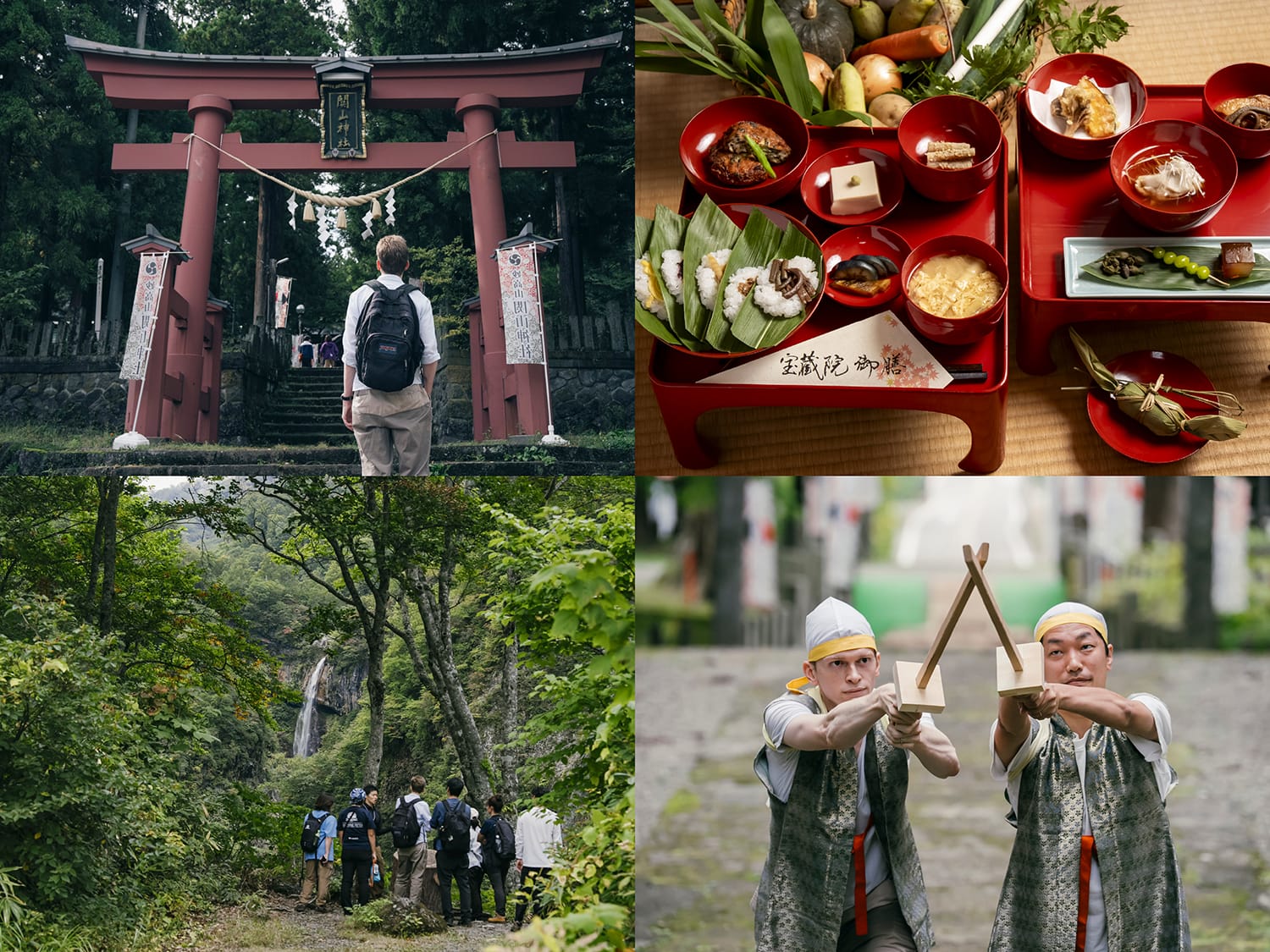
The experience begins at Sekiyama Shrine with a solemn prayer. Guided by a lineage holder, you will take part in a rare opportunity to perform a prayerful enbu that has been passed down only among a select group within the community.
-
02
Exploring the Living Traditions of Mountain Worship
Tracing historical sites connected to mountain worship, you follow ancient pilgrimage paths once walked by the Kari-Yamabushi. While savoring the 300-year-old “shojin-ryori” meal known as the “Hozoin Gozen”, you experience—through all five senses—the faith and way of life rooted in the land of Myoko.
-
03
Living Alongside the Community
Taking Part in Living Cultural PracticeThrough dialogue with local people, you gain insight into how culture has been sustained as part of everyday life. In this way, a relationship with the land of Myoko quietly takes shape-one that goes beyond fleeting tourism.
Experience
Three Days of Experiencing Prayer, Nature, and Daily Life Through Your Body
Three days of experiencing prayer performances, walking ancient pilgrimage paths,
and encountering locally rooted food and people.
Prayer, nature, and daily life connect quietly, not through thought, but through bodily sensations.
Reflections from Participants
-
Participating in the dedication ritual was a deeply memorable experience. As I focused on my movements in the tense atmosphere, extraneous thoughts quietly faded away.
Local Trading Company
Travel Designer40sUK
-
My body responded to the Kari-Yamabushi culture before I could even “know” it. The experience of finding words for it afterward was entirely new to me.
Experience Tourism
Product Planner30sUSA
-
I strongly felt as though the distance between myself and the local people became closer and closer throughout the experience thanks to their warm reception. I can still feel the tension I felt the moment I stepped onto the stage for the dedication ritual.
Inbound Travel Agency
Business Manager50sJapan
People
People Who Pass on Culture
Culture is not passed down solely through words or shapes. It is quietly passed from person to person via movements of prayer and everyday life.
Through this experience, you will meet with people who have lived in this culture and begin to share the same
place and time with them.
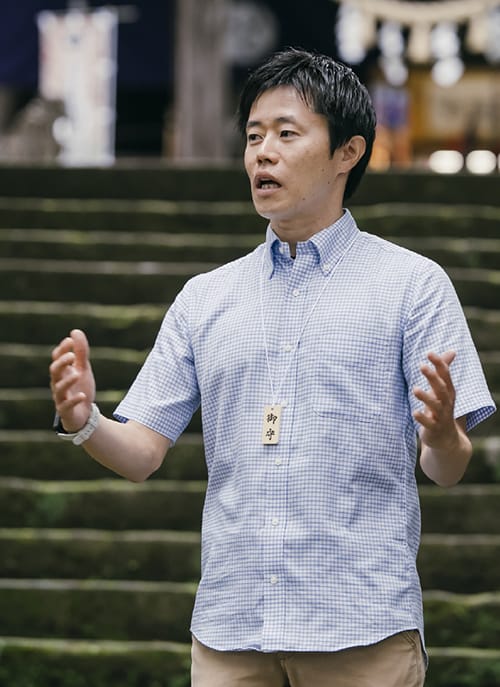
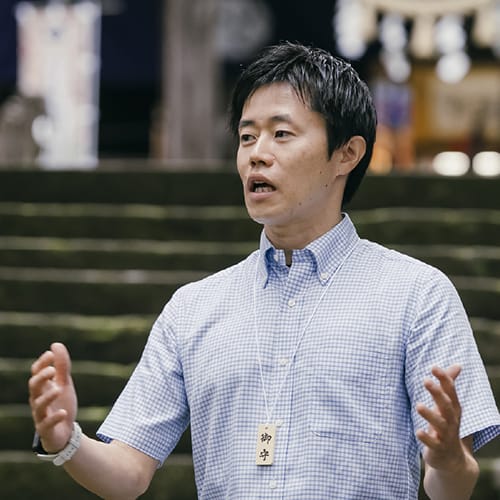
Naohiro OriharaTour Guide
Serving as a guide connecting nature and human endeavors, active both
domestically and internationally. With experience as a nature guide in the Canadian Rockies and
Yellowknife, he has worked in planning and guiding at Hoshino Resorts and on national park projects for
the Ministry of the Environment. For this tour, he will lead the entire experience and provide commentary
on the mountain worship and Kari-Yamabushi culture that thrive in Myoko.
Current Position: Representative Director, CAN – National Park Utilization Planning Association
Serving as a guide connecting nature and human endeavors, active both
domestically and internationally. With experience as a nature guide in the Canadian Rockies and Yellowknife,
he has worked in planning and guiding at Hoshino Resorts and on national park projects for the Ministry of the
Environment. For this tour, he will lead the entire experience and provide commentary on the mountain worship
and Kari-Yamabushi culture that thrive in Myoko.
Current Position: Representative Director, CAN – National Park Utilization Planning Association
| Masamichi Okubo | Kari-Yamabushi Preservation Association |
|---|---|
| Toshiko Okamoto | Hozoin Gozen Preservation Group |
| Ryutaro Uchida | Sekiyama Shrine |
| Makoto Sato | Myoko City Board of Education |
| Shoji Kawakami | Association for Sharing the Cultural Heritage of Myoko (Sekiyama) |
| Takeshi Okamoto | Heritage in Motion (General Incorporated Association) |